 Plain Lantern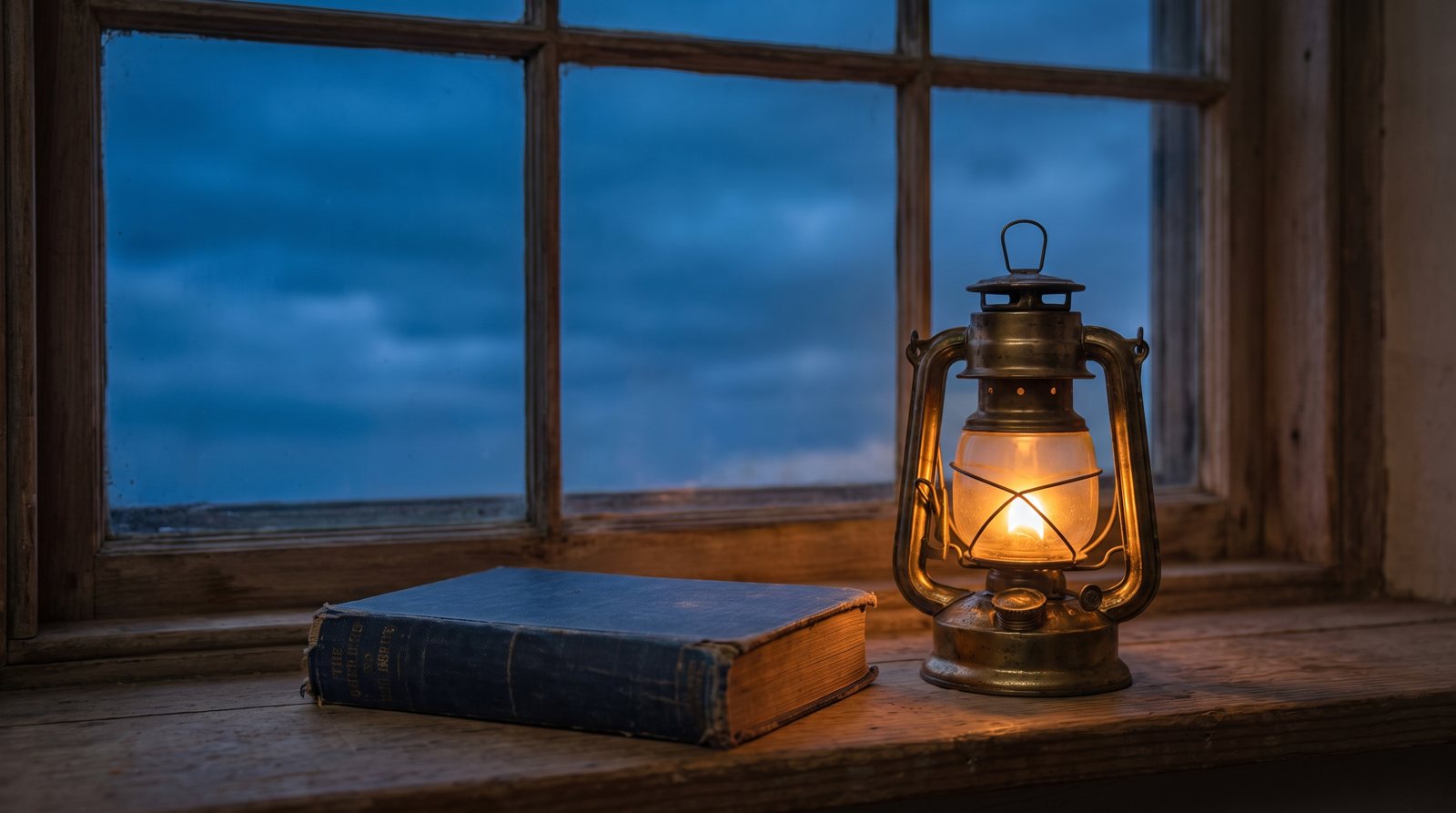
You read a great many books over a life and forget most of them. The plot goes first, then the title, until all that is left is a vague sense that you once read something about a lighthouse, or a war, or a marriage. And then there are the few that never leave. Years later a smell or a change of season brings one back whole, and you realise it has been sitting quietly in you the entire time.
Why those particular books and not others? It is rarely the ones the critics rank highest, or even the ones we would name as favourites. Something else decides which ones stay. Here is what seems to be behind it.
The book that arrived at the right moment
A lot of it comes down to timing. The same novel can wash over you at twenty and flatten you at forty, purely because of what you happen to be living through when you open it. A book about grief means little until you have grieved. The one about leaving home hits hardest in the actual year you leave. When a book meets you at the exact moment you need it, it stops being a book and becomes part of how you got through something.
That is why people are so protective of the books that once saved them a little. When they press one into your hands, they are really telling you about a time in their life.
Characters who became company
Some books stay because of who is in them. You spend hours inside another person's head, follow their worst decisions, forgive them for most of it, and come out feeling as though you actually knew them. Long after the plot has blurred, the character stays on, the way an old friend you have lost touch with still counts as a friend.
The ones tied to a place or a time
Often a book fuses with the circumstances you read it in. The paperback you got through during a long illness. A story you read aloud to a child, the same chapters night after night. Then there is the novel that belongs entirely to one particular summer, so that opening it now is less like reading and more like walking back into a room you used to live in. The book turns into a bookmark for a whole stretch of your own life.
When a book says the thing you could not
Now and then you hit a sentence that names something you have felt for years without ever finding the words for it. There is a small shock in being understood by a stranger, one who wrote the line long before you were born. Those books stay because they handed you language for your own life. You underline the passage, and years later it is still true, and you feel oddly grateful to someone you never met.
The book that changes as you do
The odd thing about a book that stays is that it does not stay the same. You reread it at fifty and notice things that were invisible at twenty, not because the words changed but because you did. A children's book you loved turns out to be quietly about the parents. A romance you once found swooning reads more like a warning the second time round. Nothing in the text moved. You did, and the book is where you notice it.
That is part of why these ones stay on the shelf instead of being handed on. You keep them near the way you keep in touch with certain people.
Worth keeping close
Not every book is built to stay, and there is nothing wrong with that. Most are good company for a week and then gone. But it is worth noticing the ones that lodge, because they tend to mark the things that mattered to you, sometimes before you knew they mattered.
If you are after the kind of calm, thoughtful book that stands a chance of becoming one of yours, you are welcome to browse the Plain Lantern library. You rarely know at the time which one it will turn out to be.